Our Work / Sanitation
Sulabh Sanitation Technology
Pioneering the two-pit pour-flush toilet to restore dignity and transform sanitation across India
Sulabh International Social Service Organisation
Our Work / Sanitation
Pioneering the two-pit pour-flush toilet to restore dignity and transform sanitation across India
Sulabh International Social Service Organisation
The Invention
In 1968, Dr Bindeshwar Pathak, Founder of Sulabh International Social Service Organisation, invented the two-pit pour-flush ecological compost toilet technology. Sulabh flush is based on a simple design that is eco-friendly and uses just around 1.5 litres of water to flush.
In the context of developing countries where sewer systems are almost nonexistent, Sulabh toilets offer an innovative solution to the global sanitation crisis. In this technology, there are two pits. When one pit is full, the incoming excreta is diverted to the second pit. In about two years, the excreta gets digested and becomes dry and pathogen-free, and safe for handling as manure. Digested sludge is odourless and is a good manure and soil-conditioner.
This technological invention made a path-breaking difference in millions of households, particularly for women, who did not have access to safe and hygienic toilet facilities. The technology offers safe disposal of human excreta on-site. It also meets all the seven criteria of safe on-site disposal of human waste prescribed by the World Health Organisation.
How It Works
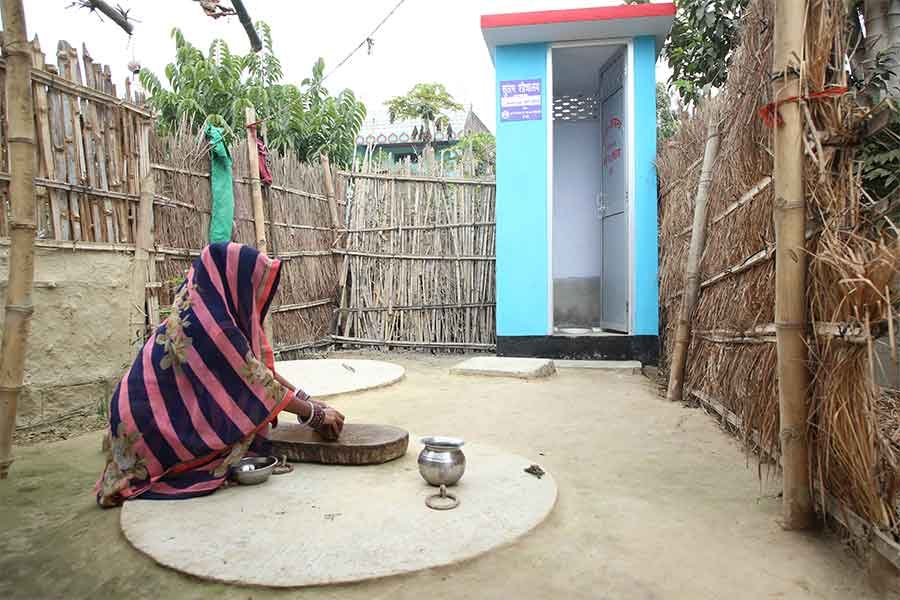
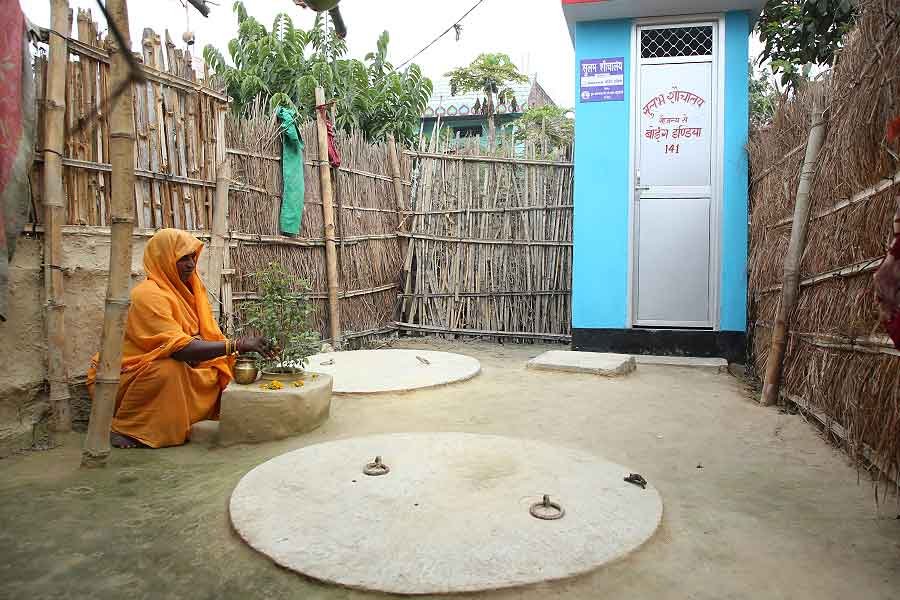
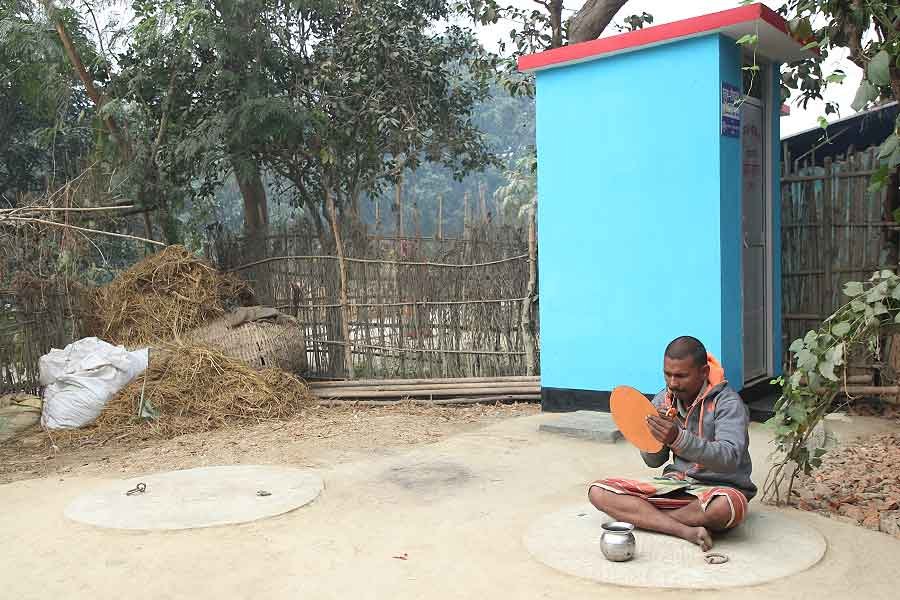
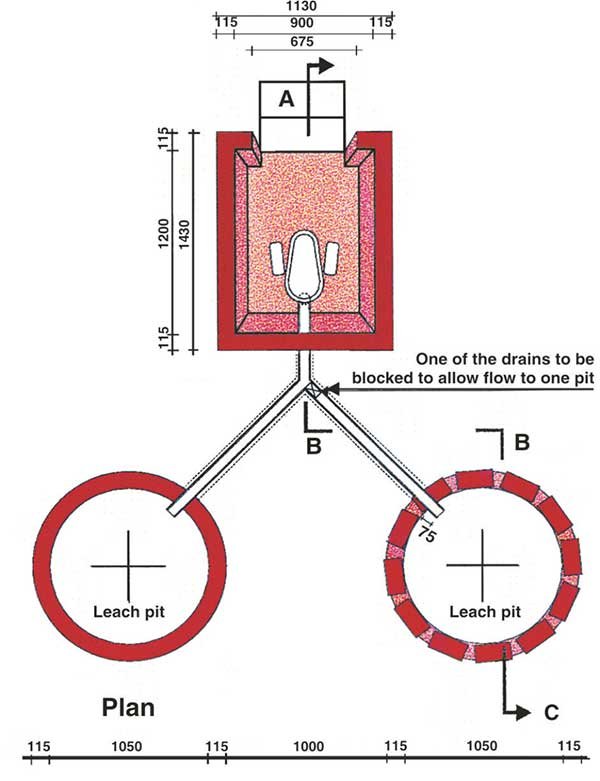
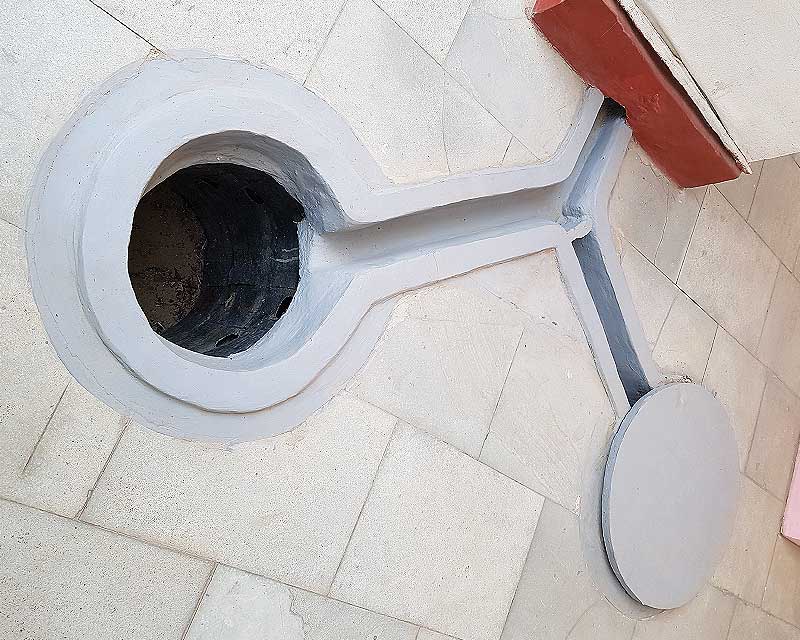
Sulabh two-pit pour-flush household toilet consists of a squatting pan of special design set on the floor, a trap with 12 to 20mm water seal to prevent foul smell and fly/mosquito nuisance. Two leach pits retain solid matter and allow the liquid to leach and gases to disperse into the ground. There is a junction box to interconnect the system between pit and trap.
Pour-flush toilet requires hardly 1.5 to 2 litres of water per wash in place of 10 to 12 litres with cistern flush, saving a huge quantity of water. The excreta is carried into subsurface leach pits through pipes or covered drain and one pit is used at one time. The liquid infiltrates into the soil through holes on the leach pit lining. The gases also disperse into the soil.
When one pit is filled, the excreta is diverted to another pit. The filled-up pit can be emptied after a rest of two years during which the pathogens are inactivated and the organic matter decomposed. Thus the two pits can be used conveniently and alternately.
Deep Dive
The invention by Dr Pathak has been revolutionary not just in transforming the sanitation scenario of the country but also in bringing about behaviour change and change in social attitude. When Sulabh toilet technology was developed, the sanitation situation was dismal in both rural and urban areas. Going out in the open for defecation was a common phenomenon, and women were the worst sufferers. Going out in the field made them vulnerable to all sorts of risks (harassment, snake and animal attacks), forcing them to compromise their dignity day in and day out.
Children died because of diarrhoea, dehydration and they remained exposed to life-threatening parasites like hookworm, roundworm and tapeworm. Girls dropped out of school because there was no provision of toilets in schools.
Sulabh toilets addressed these issues significantly. In 2004, the UNDP’s Human Development Report gave thrust to the UN’s commitment to diversity, recognising Sulabh’s work across India as a Global Best Practice, described as one such pan-India movement that strongly incorporated the diversity of cultures, beliefs and practices in its development approach.
Why two pits are better than one pit?
Single leach pits are appropriate only if they can be desludged mechanically by a vacuum tanker since their contents are not pathogen-free. In the two-pit system, since one pit is used at a time, the filled-up pit can be cleaned manually, even by the householder, because the long period of digestion makes it free of foul smell and safe for handling.
Shape of two pits: As far as possible, separate circular pits should be constructed as these are structurally more stable and the sludge is dry and safe to handle. Where separate circular pits cannot be constructed due to space constraints, pits of smaller diameter (not less than 750mm) should be provided with increased depth.
Spacing between two pits: The minimum space between the two pits should be one metre or equal to the depth of pits below the level of the incoming pipe or drain, whichever is more.
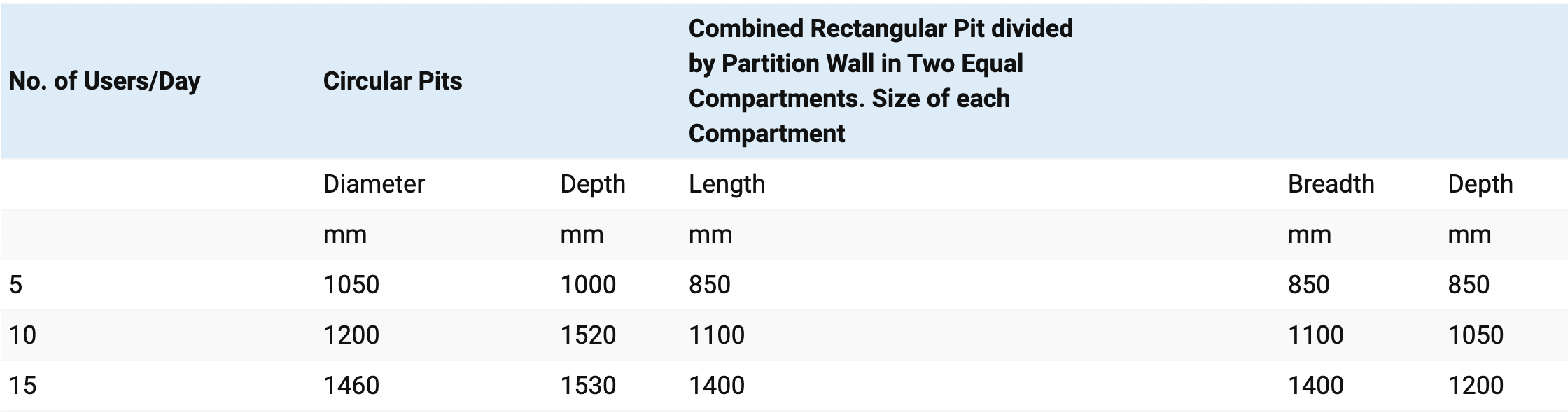
Size of pits (where ground water level is always below the bottom of the pit and infiltration rate is 30 l/m²/day for 3 years sludge storage):
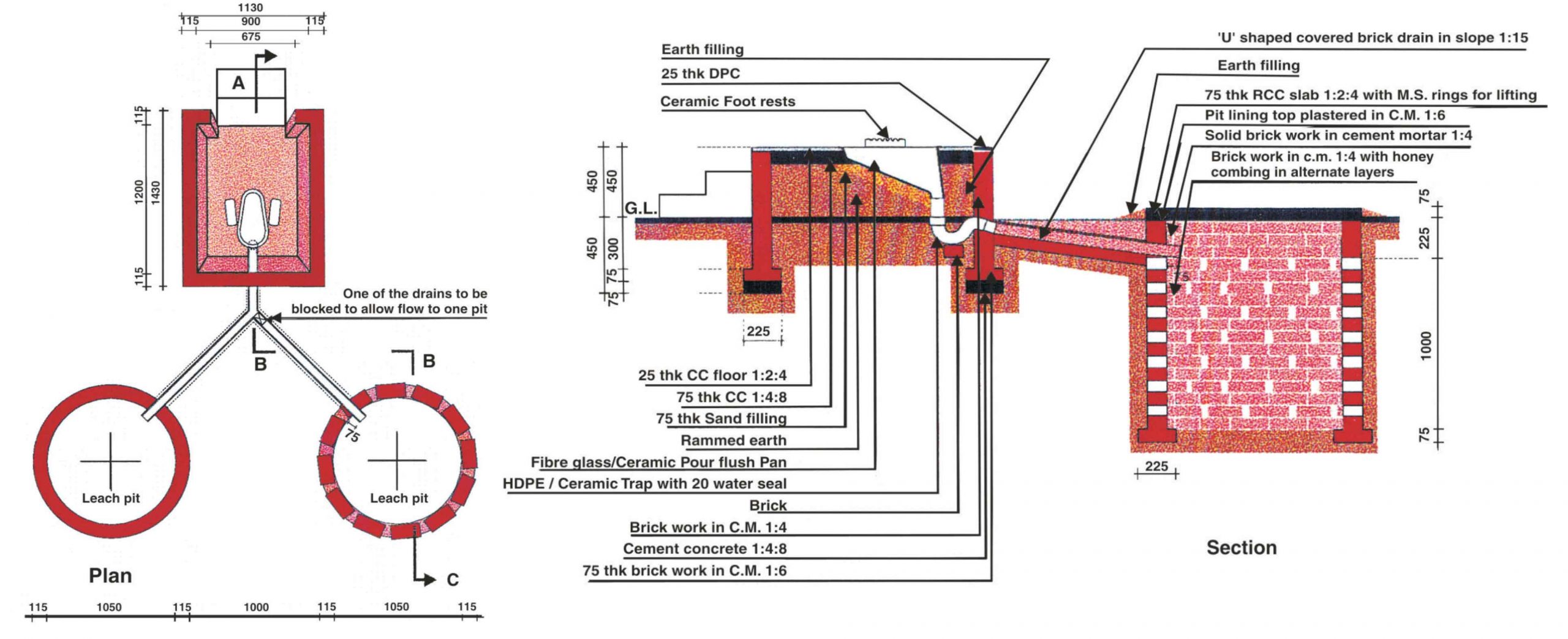
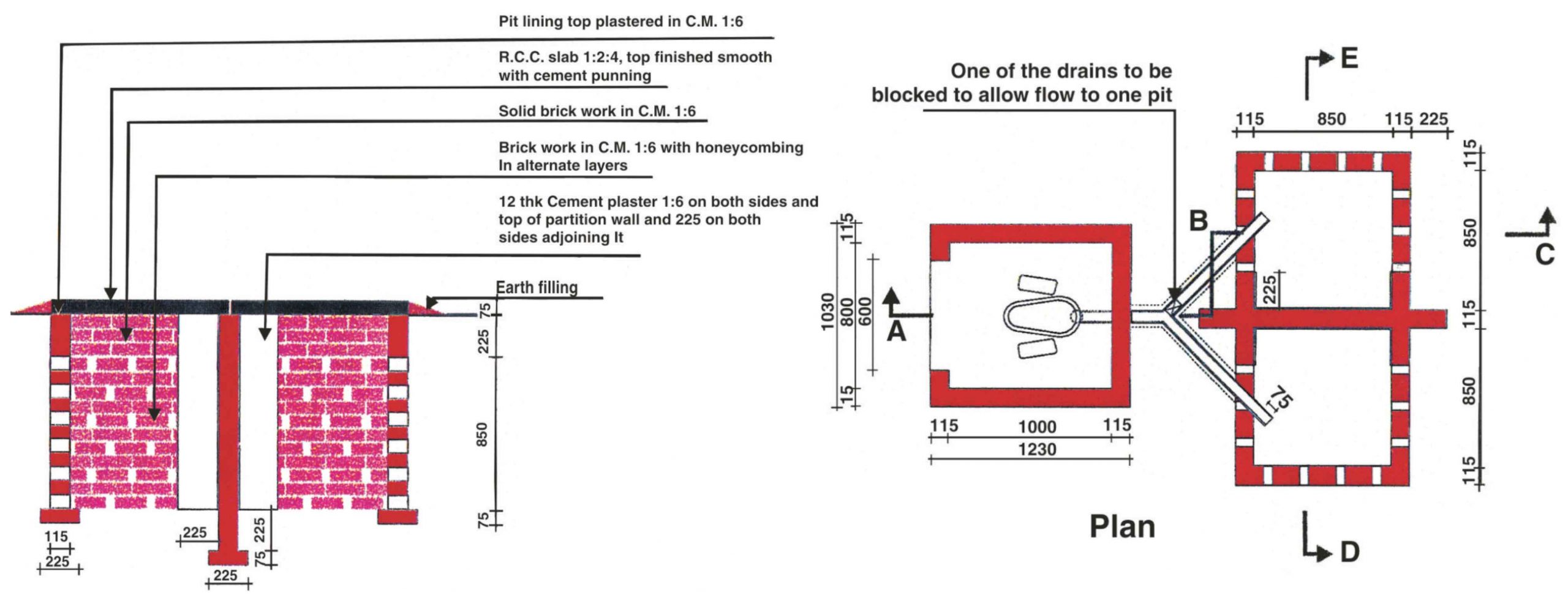
Operation & Maintenance diagram:
Key Advantages of Sulabh Twin Pit Composting Toilets:
Sulabh’s affordable toilet consists of a pan with a steep slope of 250 to 280 and a specially designed trap with 20mm water seal needing 1.5 to 2 litres of water for flushing. The pan and trap of conventional design used with flushing cisterns should not be used in pour-flush toilets with leach pits, as it would need more water and the pit may not function properly.
The excreta is carried into leach pits through pipes or covered drains; one pit is to be used at a time. The liquid infiltrates and gases disperse into the soil through the holes in the pit lining. When one pit is full, excreta is diverted to the second pit. In about 18 months curing period, the contents of the first filled-up pit get digested and become totally safe for handling.
The pit can then be conveniently emptied and is ready to be put back into use after the second pit is full. Thus the two pits can be used alternatively and continuously. The sludge of the pit is good manure for use in horticulture and agriculture. The cost of emptying the pit can be met partially from the cost of manure made available. This offers total recycling of human waste efficiently and safely.
Government of India, State Governments and various national and international agencies, including UNICEF, World Bank, UNDP, WHO, and the United Nations Centre for Human Settlement (UNCHS), have endorsed the design. It has been replicated in other developing countries in South-East Asia, Latin America and in Africa.
Sulabh’s technology is designed in such a way that it can be constructed across all geographical terrains in a sustainable manner. Efforts are made to source the building materials locally. Since its design is simple, it can easily be constructed by local masons.
Another advantage is that the naturally occurring bacteria available in the soil converts human waste into manure which can be used for agricultural purposes.
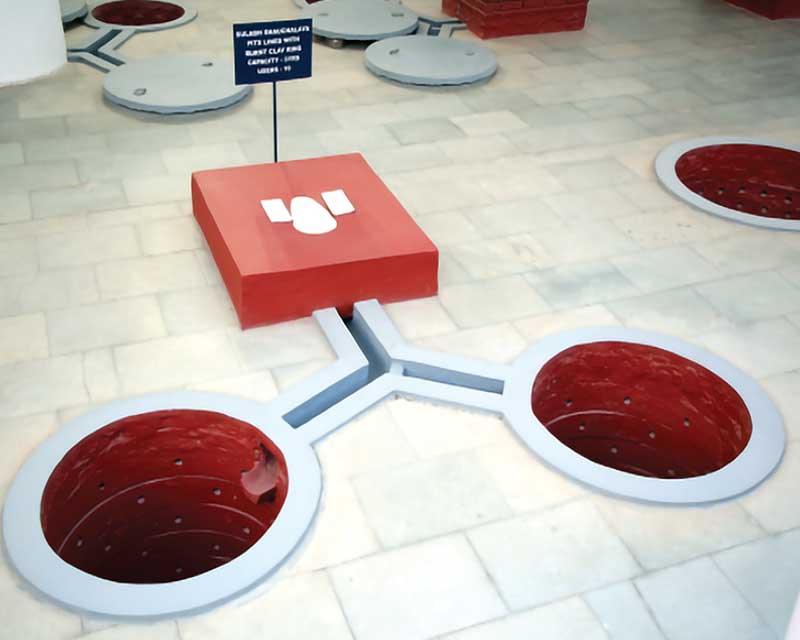
Burnt Clay rings with holes can be one of the lining materials

Treated Bamboos or Wooden Logs, used as lining material in forest areas and villages
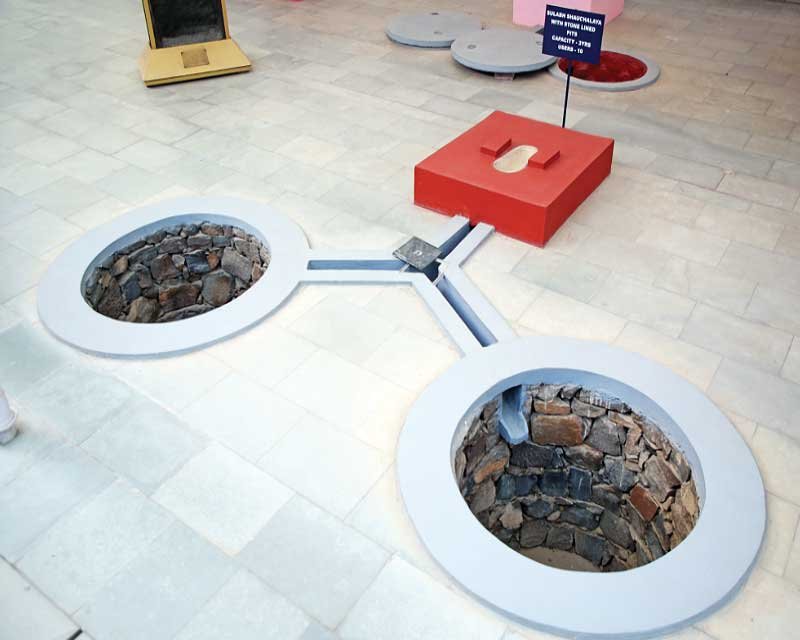
Stones, can be used as lining material where available
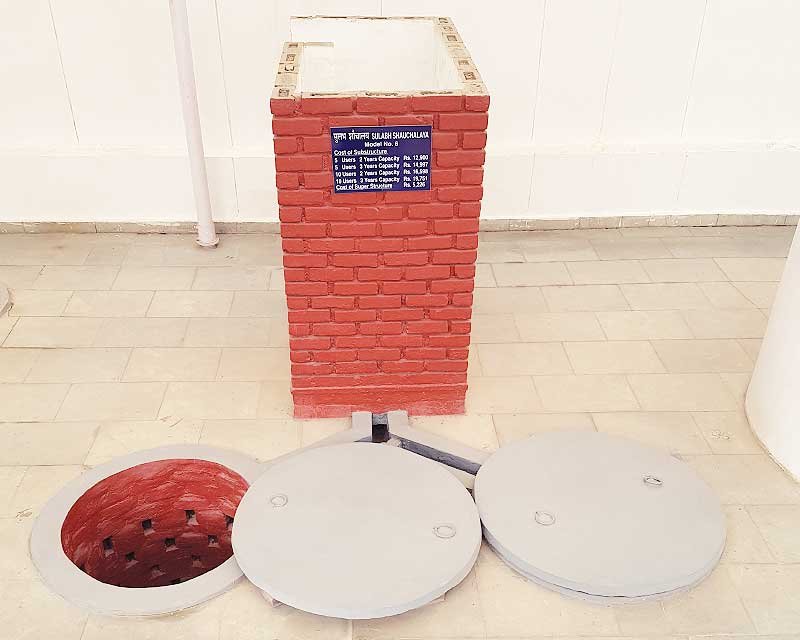
Brick, the most common lining material, with 50mm wide holes in alternate brick layers
Tar Drums, to reduce cost, tar drums with holes can directly be used as lining material
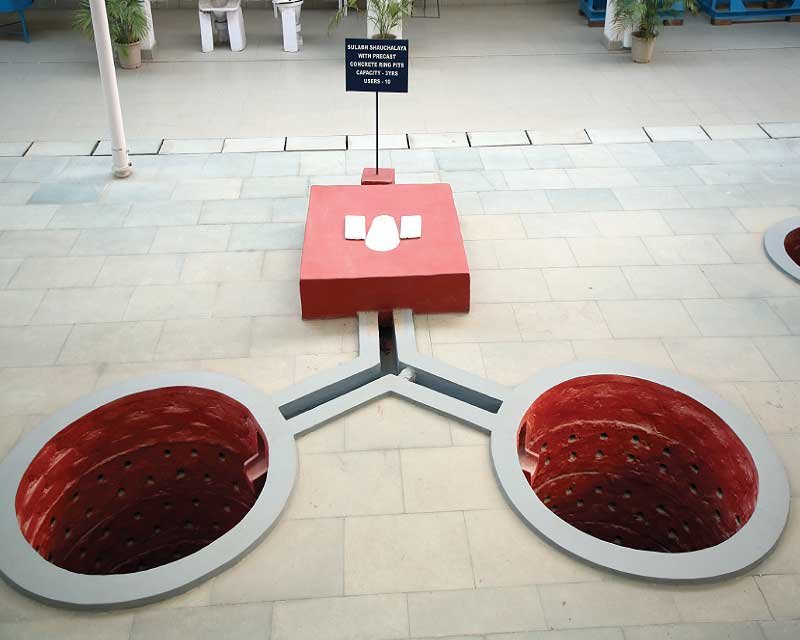
Cement Concrete Rings, also a reliable source of lining
From the lanes of rural India to international recognition by UNCHS, UNDP and the World Bank, Sulabh’s two-pit pour-flush toilet technology stands as one of the most impactful sanitation innovations of the 20th century. By combining ecological design, affordability, and cultural sensitivity, Dr Pathak’s invention has delivered safe sanitation, and with it, dignity, to over 50 million people across India and beyond.